SLAVERY STILL EXISTS
"I want to be very clear: I'm talking about real slavery. This is not about lousy marriages, this is not about jobs that suck, this is about people who can not walk away, people who are forced to work without pay, people who are operating 24/7 under a threat of violence, and have no pay."
- Kevin Bales (from his TED Talk in 2010.)
The quote above is from the
video that prompted me to start
Hearts Should Be Free. That quote especially caught me, because, I think sometimes when people first hear about modern slavery they wonder, "Is it REAL slavery that we're talking about? Or is this just some metaphor for being trapped in bad circumstances?" But the more I learn about slavery today, the more clear it is that this is LITERAL slavery. I have heard stories of people beaten if they would not work, people's lives being threatened if they tried to leave, and even some branded with tattoos so that they could be found again if they escaped. Slavery today, in most of it's forms, is almost identical to slavery throughout most of history. But there are some differences...
1. Slavery of the past was a legal activity. As of 2007, there is no country around the world where slavery is legal, and yet it still continues as a criminal activity in nearly every country (even in developed nations like the United States and Canada).
2. Slaves are cheaper than they used to be. Before the civil war, adjusted for inflation to today's money, the average price of a slave would be around $40,000. Today, the cost of acquiring a slave ranges from around $8,000 to as little as $5--with the average worldwide cost being around $90. In the past because a slave represented a significant investment, slaveowners were more likely to take better care of their slave and less likely to endanger them. In many places now slaves are so cheep that they are treated as disposable.
Slavery is widespread. There are as many as 27 million slaves in the world today, and the products of slave labor contributes to nearly every industry. In recent years, slaves have been used to make, grow, mine or harvest a dizzying array of products, including...
Bamboo,
Bricks,
Carpets, Cassiterite, Cement, Charcoal, Christmas Decorations, Clothing, Cotton, Cottonseed, Coal, Coltan,
Coffee, Drugs.
Electronics, Fireworks, Flowers (real and artificial), Fluorspar,
Food/Produce, Footware,
Gemstones,
Gold, Granite, Gravel, Iron, Nails, Palm Oil, Palm Thatch,
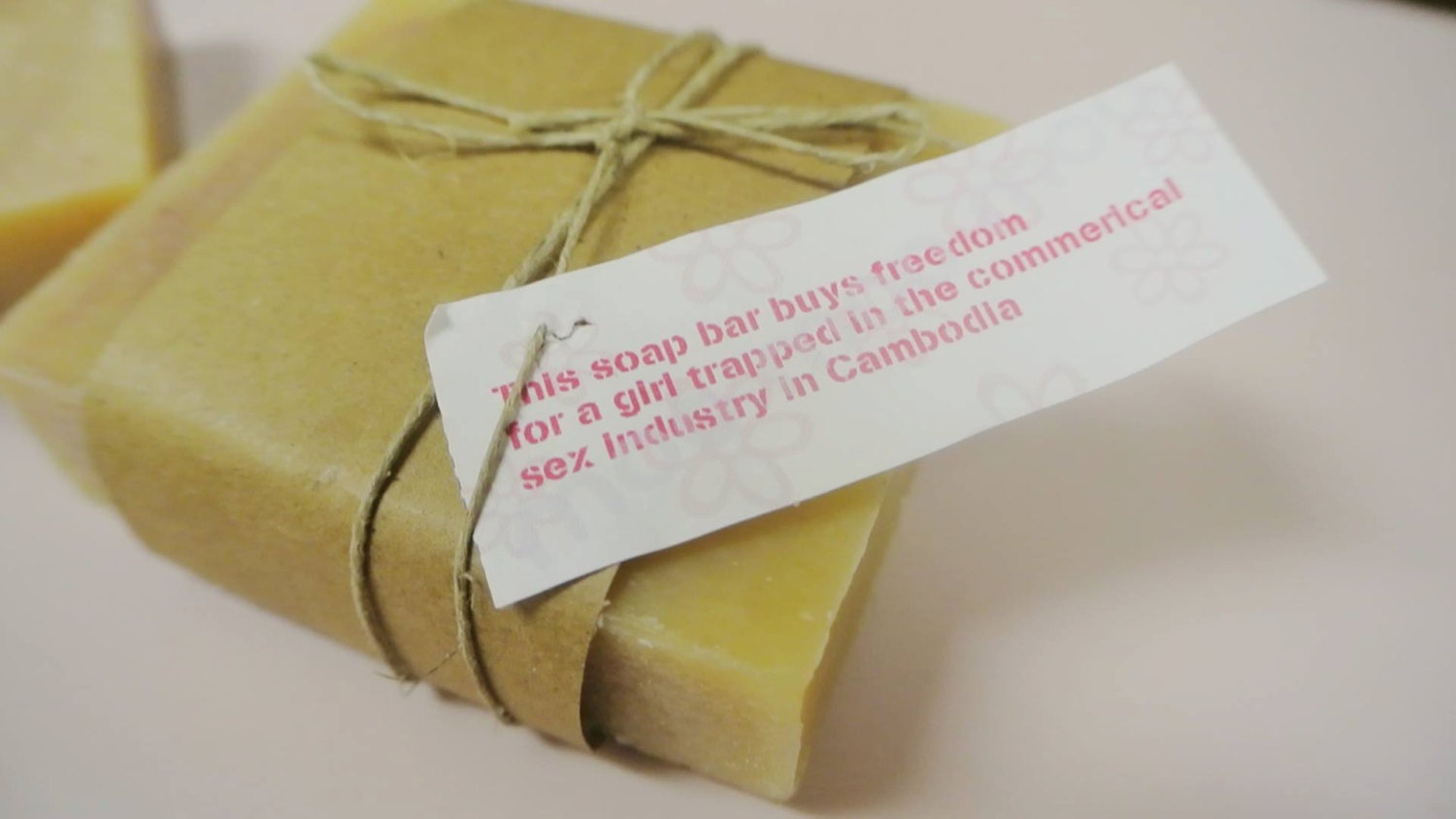
Pornography, Rubber, Soap,
Stone, Surgical instruments, Teak,
Textiles, Timber,
Tobacco, and Toys.
Slave labor has also been used for various services including
prostitution,
housecleaning,
cooking,
childcare, and
hair styling. Children are also
forced to beg, while others are forced to fight as
child soldiers.
The first step in ending slavery is simply making more people aware that it exists. That's why I started Hearts Should Be Free. You can learn more ways that we can help end slavery
here.
GIVEAWAY (ENDED)
To help me spread awareness, Temeka of
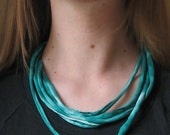
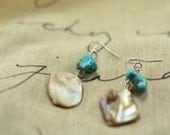
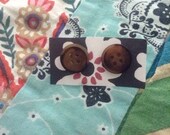
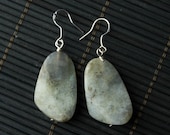
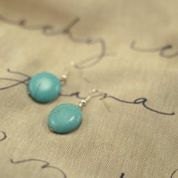
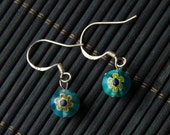
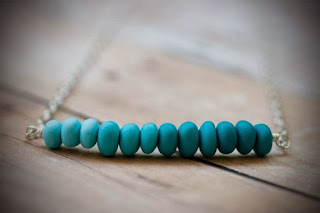
Zen Custom Jewelry is donating a pair of earring and a bracelet for this giveaway. She is also donating another pair of her beautiful hand-made earrings which is being given away in another Hearts Should Be Free giveaway
here.
TO ENTER
To enter to win the earrings shown above, just answer a question on the Rafflecopter form below. Extra entries are available after you answer the first question.
You must be at least 18 to enter. Entries accepted through Feb. 15. Winner will be chosen and announced here on Feb. 16. Full entry rules are listed at the link on the bottom of the Rafflecopter form.
FOR THOSE OUTSIDE THE U.S.
This giveaway is only open in the United States, Canada (except Quebec), The United Kingdom, and the following areas of Australia (QLD, NT, TAS, and VIC only). I would love to make my giveaways open in more places, but it's hard to meet all the legal requirements for various countries.
a Rafflecopter giveaway
For the information on this page I consulted the following sources:
2010 Ted Talk by Kevin Bales
US State Department's Trafficking in Person's Report
US State Department's List of Goods Produced by Child Labor or Forced Labor.
Wikipedia Abolition of Slavery Timeline