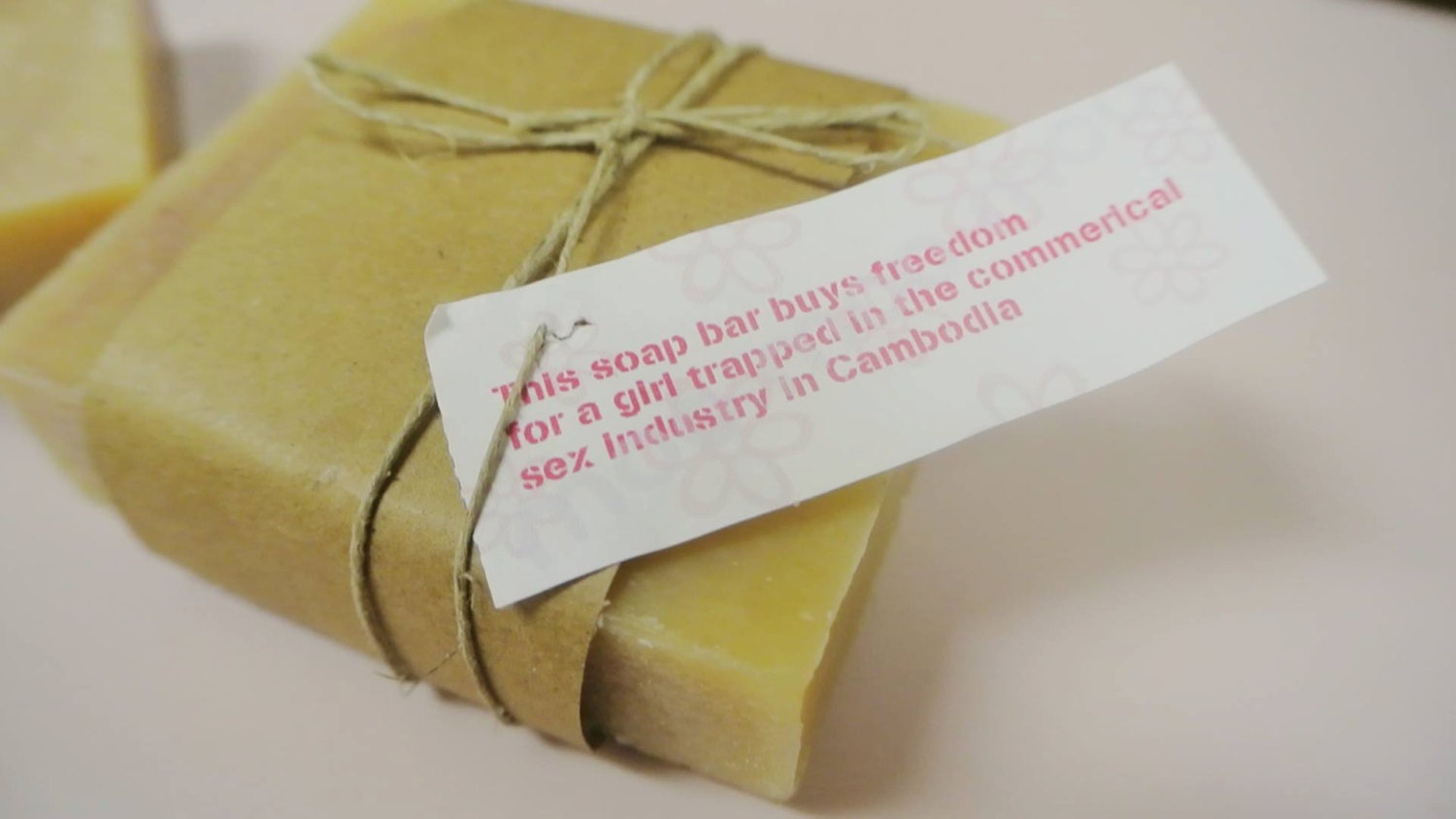
When I first learned about modern slavery, I thought it only existed OTHER places. I was wrong. Slavery was HERE too, in the United States, in spite of our laws against it.
But for all the progress that we’ve made, the bitter truth is that trafficking also goes on right here, in the United States. It’s the migrant worker unable to pay off the debt to his trafficker. The man, lured here with the promise of a job, his documents then taken, and forced to work endless hours in a kitchen. The teenage girl, beaten, forced to walk the streets. This should not be happening in the United States of America.
- President Barak Obama
No, slavery isn't just a third world problem. It happens in developed nations as well as developing ones...and not only the United States.
Below I've included some excerpts of stories about trafficking victims in the Canada, the United States, and the United Kingdom. I chose those nations since that's where the Hearts Should Be Free giveaway are open this year. (A side note: Since this is a world wide problem I'd really like to open these awareness giveaways to people in more places, but need help researching laws and, in some cases, translating the posts. If you would like to help with that,
contact me here.)
Some of the names may have been changed for privacy purposes.
Survivors' Stories
UNITED STATES
Lucas
Cesar Navarrete promised Lucas a job and a room. The "room" turned out to be the back of a box truck with no toilet or running water, shared with 2 -3 other workers. It soon became clear, that he wasn't going to get the money he was promised, and he wouldn't be allowed to leave.
"If Lucas became ill or was too exhausted to work, he was kicked in the head, beaten, and locked in the back of the truck. Other members of Navarrete’s dozen-man crew were slashed with knives, tied to posts, and shackled in chains."
Click for the Full Story
While the man in the story above came here illegally, a recent study found that 71% of victims on labor trafficking in the US actually came here with legal visas. Sadly, by the time they manage to escape victim's visas have often expired, and they are are are treated as illegal immigrants.
Rob
"I grew up in California and lived in foster and group homes starting at the age of nine. ... By the time I was a 11 years old I was being sold to men for sex by an older teen aged boy from one of the group homes that I had been living in."
Click for the Full Story
Boys who are trafficked for sex are more likely to be overlooked as victims, and less likely to receive proper aftercare than girls who are victims of sex trafficking.
CANADA
Mary
She met Byron online through a friend who suggested they would be a good match. When she took a train to meet him (without telling her parents), and she had no idea what he really had in mind.
"He told me he wanted me to work. We got into a fight because I refused … and I told him I wanted to leave."
Her resistance meant nothing. Byron beat her that first day when she refused to do what he wanted. He then took her to see a customer and forced her to have sex with him. He collected $300.
Byron burned her birth certificate and stole her health card, textbook tactics used by pimps to gain control of their victims. He also threatened to hurt her family if she ran away. On days when she didn’t want to work, he pushed her around, pulled her hair and threw her into walls. (
Click for Full Story)
UNITED KINGDOM
Hai
"A man approached me and said that I could earn lots of money in Europe working in a restaurant. I managed to raise several thousand dollars for an agent to arrange my travel and accommodation...
When we arrived, the man told me that I now owed more money for the trip, plus interest. They made me water cannabis plants to pay off the debt.
My captor would lock me up in the house when he left and only returned every few days with bits of food and water. When I asked for anything or complained he would hit me and threatened that if I left the house, the police would arrest me and beat me. (
Read Full Story Here)
While victims of modern slavery are often kept secluded, other times they are out in the open, working in plain sight, controlled by fear of violence from their captor. Would you recognize a victim of human trafficking if you came in contact with them? You might not, but here are some signs you can look for, from the U.S. Office of Homeland Security...
Indicators of Human Trafficking
Here are some common indicators to help recognize human trafficking:
- Does the person appear disconnected from family, friends, community organizations, or houses of worship?
- Has a child stopped attending school?
- Has the person had a sudden or dramatic change in behavior?
- Is a juvenile engaged in commercial sex acts?
- Is the person disoriented or confused, or showing signs of mental or physical abuse?
- Does the person have bruises in various stages of healing?
- Is the person fearful, timid, or submissive?
- Does the person show signs of having been denied food, water, sleep, or medical care?
- Is the person often in the company of someone to whom he or she defers? Or someone who seems to be in control of the situation, e.g., where they go or who they talk to?
- Does the person appear to be coached on what to say?
- Is the person living in unsuitable conditions?
- Does the person lack personal possessions and appear not to have a stable living situation?
- Does the person have freedom of movement? Can the person freely leave where they live? Are there unreasonable security measures?
Not all indicators listed above are present in every human trafficking situation, and the presence or absence of any of the indicators is not necessarily proof of human trafficking.
If you suspect human trafficking,
you can report it at the following numbers...
Where To Call If You Suspect
Human Trafficking
United States - National Human Trafficking Hotline
1 (888) 373-7888
Canada - Human Trafficking National Coordination Center
1-855-850-4640
United Kingdom - Crimestoppers
0800 555 111
To report urgent information that requires an immediate response
contact any Police Officer, your local Police force
or dial 911 (Canada, US) or 999 (United Kingdom).
GIVEAWAY
PRIZES:
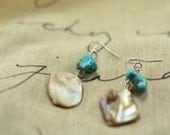
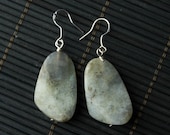
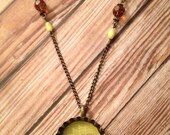
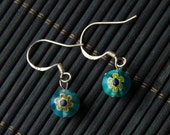
Lil's Bits of Glass is run by a good friend of mine. She makes beautiful melted glass, glass tile, and beaded jewelry. I've bought a few of her pieces and I can tell you they are solidly made and great quality.
And I can't fail to mention how a facebook post she shared about children enslaved in the cocoa field, helped lead to Hearts Should Be Free. I knew about modern slavery before that, but had never thought about how it contributed to things we use every day. It sent me looking to find out more, and what I found stirred my heart to do something about it.
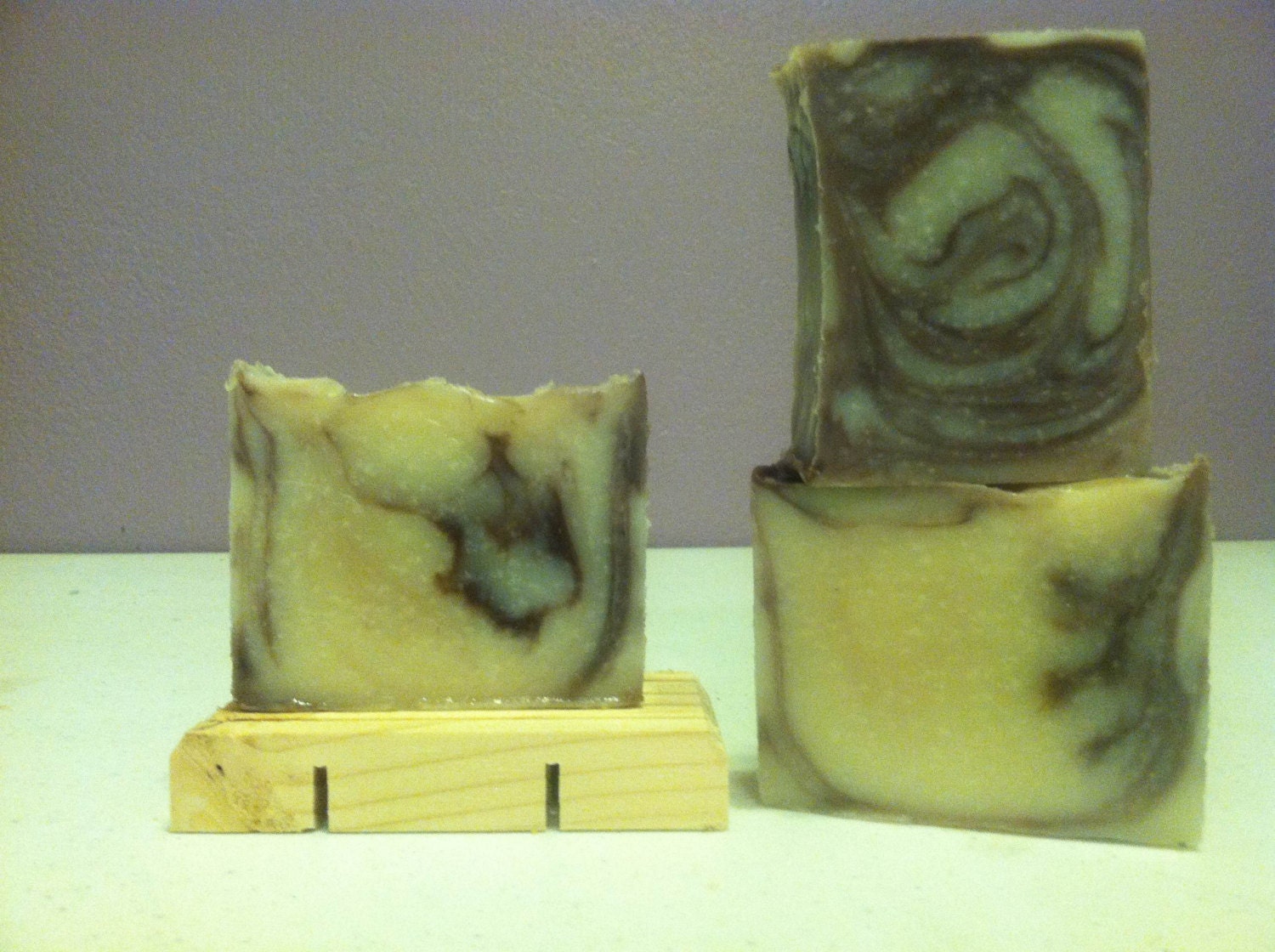
Fun and Baubles is run by
Ekatrina, a single mother, PhD student, and general lover of life. Her tastes are classically trained, but she also likes to incorporate edgy aspects to give her products a fresh look. This shop is her creative outlet and primary hobby, as well as a source of much-welcomed supplemental income. You can see more of her style, and styling suggestions for some of her items, at funandbaubles.polyvore.com or follow her on
pinterest.
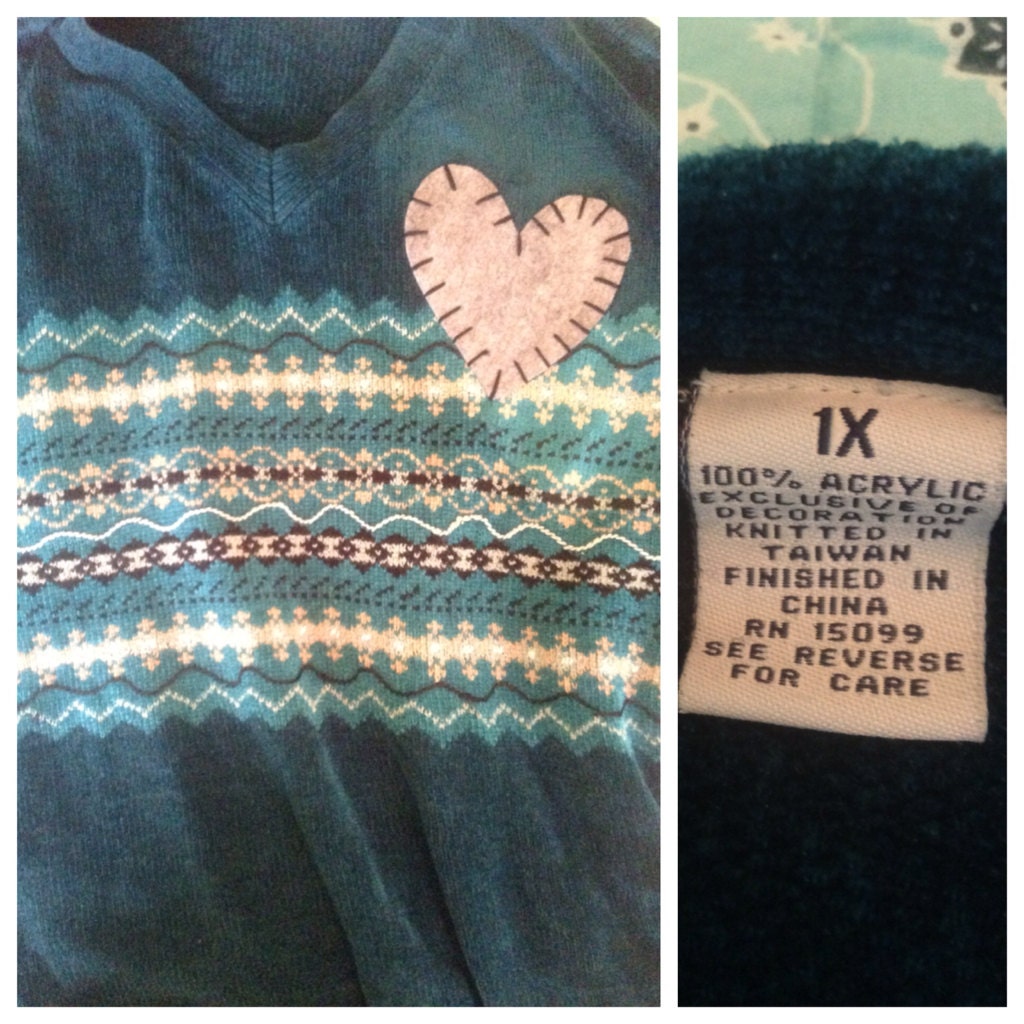
At Lady Monaco Crafts you can find handmade hair accessories, earrings, wallets and pouches in fun fabric. You can see more from Lady Monaco on her Instagram Page.
One winner will recieve all three of the prizes pictured above.
HOW TO ENTER:
This giveaway is open to residents over 18 of the United States, Canada (except Quebec), and the United Kingdom. Enter on the Rafflecopter below.
Full rules here.
a Rafflecopter giveaway
Graphic For Giveaway Linkies